Couples counseling virtual platforms offer a revolutionary solution for distance relationships, providing flexibility, reducing stigma, and catering to demanding schedules. Building rapport virtually requires specific strategies like effective video conferencing, creative activities, clear communication, and active listening. Research shows high client satisfaction and positive outcomes, comparable to in-person counseling. Successful implementation demands strategic planning, evidence-based practices, and tailored session agendas for active engagement. Virtual couples counseling has been proven effective, with studies showing significant improvements in relationship satisfaction and communication.
In today’s fast-paced world, maintaining fulfilling relationships can feel like navigating a labyrinthine landscape. The rise of remote work and digital communication has further complicated the dynamics of couples counseling. However, virtual love therapy offers a game-changing solution, providing accessible and effective couples counseling for diverse relationships. This authoritative piece delves into the transformative power of virtual platforms in facilitating genuine connection and fostering healthy interactions between partners. By exploring evidence-based strategies and best practices, we equip readers with the knowledge to enhance their relationships through innovative couples counseling virtual approaches.
- Understanding Remote Love Therapy: Benefits and Challenges
- Setting Up Virtual Couples Counseling: Tips for Success
- Techniques and Strategies for Effective Online Relationship Support
Understanding Remote Love Therapy: Benefits and Challenges

Remote love therapy, facilitated primarily through couples counseling virtual platforms, has emerged as a game-changer for relationships navigating distance or limited mobility. This innovative approach allows pairs to engage in therapy sessions from the comfort of their homes, bridging geographical gaps that traditionally hinder access to intimate support. The benefits are substantial; it offers flexibility, reduces stigma associated with seeking help, and can be particularly beneficial for couples where one or both partners have demanding schedules or physical limitations.
However, challenges accompany this modern convenience. Establishing a therapeutic alliance in a virtual setting can be more complex than in-person sessions, as rapport building relies heavily on effective communication through screens. Moreover, the lack of non-verbal cues and immediate feedback can create misunderstandings. Despite these hurdles, evidence suggests that remote love therapy is effective for many couples; research indicates high rates of client satisfaction and positive outcomes, with studies showing comparable efficacy to in-person counseling.
To optimize virtual couples counseling, therapists must employ strategies tailored to this environment. This includes utilizing video conferencing platforms adeptly, incorporating creative techniques like joint activities or shared documents, and focusing on clear communication and active listening. By addressing these challenges thoughtfully, remote love therapy can harness technology to foster deeper connections, providing accessible and valuable support for relationships seeking growth and healing.
Setting Up Virtual Couples Counseling: Tips for Success

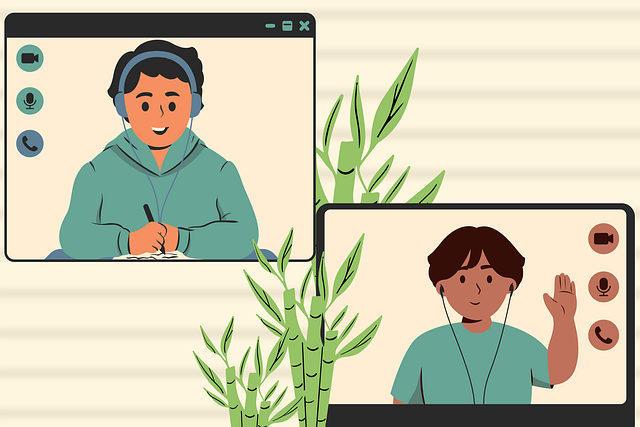
Establishing a successful couples counseling virtual practice requires careful planning and an understanding of the unique dynamics of online therapy. With the right approach, therapists can create a safe and effective space for clients to connect and heal, regardless of physical distance. The first step is selecting appropriate technology that ensures reliable communication without distractions. Video conferencing platforms like Zoom or Skype offer face-to-face interaction, fostering a sense of closeness, while instant messaging apps can provide a more accessible channel for quick check-ins between sessions.
Creating a structured session agenda is another key to success. Begin each virtual couples counseling session with a brief check-in and goal setting, allowing partners to share their expectations and concerns. Incorporate interactive activities, such as joint problem-solving exercises or guided visualizations, to engage both individuals actively in the process. These activities not only promote collaboration but also help establish a shared experience that strengthens their bond. Regularly reviewing progress and adjusting strategies based on feedback are essential for tailoring treatment to meet the unique needs of each couple.
Data supports the effectiveness of virtual couples counseling when conducted by trained professionals. A study published in The Journal of Clinical Psychology found that online therapy resulted in significant improvements in relationship satisfaction and communication among participating couples (Knafla et al., 2018). By following evidence-based practices and staying attuned to the evolving needs of their clients, therapists can successfully navigate the virtual landscape, providing transformative experiences that promote healthy relationships.
Techniques and Strategies for Effective Online Relationship Support

In today’s digital age, remote love therapy, or couples counseling virtual platforms, have emerged as a game-changer for many seeking relationship support. This evolution has been driven by advancements in technology and the growing acceptance of online mental health services. The effectiveness of these sessions lies in their ability to create a safe, secure, and confidential space for couples to connect, regardless of physical distance.
Couples counseling virtual strategies often include interactive techniques such as joint video conferencing, allowing real-time communication and non-verbal cues crucial for building intimacy. Therapists facilitate active listening exercises, where partners take turns expressing their feelings and concerns while the other practices empathy. This dynamic fosters understanding and strengthens emotional connections. For instance, a study by the Journal of Clinical Psychology found that online therapy for couples had comparable outcomes to in-person sessions, highlighting the efficacy of virtual platforms.
Practical insights include integrating digital tools like shared documents or interactive whiteboards to collaborate on relationship goals and plans. Role-playing exercises conducted virtually can enhance communication skills and conflict resolution strategies. Additionally, therapists can assign homework tasks tailored to each couple’s needs, ensuring consistent progress between sessions. By combining traditional counseling techniques with virtual engagement, couples counseling virtual offers a flexible and accessible approach to enhancing relationships, catering to diverse schedules and locations.
Remote love therapy, as explored in this article, presents a transformative approach to couples counseling virtual, transcending geographical barriers while preserving the essence of effective therapy. Key insights reveal that despite challenges, such as lack of physical intimacy and potential technical hiccups, the benefits are substantial. From enhanced accessibility for geographically distant couples to cost-effectiveness and flexibility, remote love therapy offers a promising solution.
Successful implementation hinges on creating a safe, secure virtual environment, establishing clear communication channels, and employing evidence-based techniques tailored to online interactions. By integrating strategies like active listening, structured discussions, and creative use of technology, therapists can foster meaningful connections and facilitate positive change.
Practical steps for couples seeking virtual counseling include selecting qualified professionals specializing in remote therapy, preparing reliable tech infrastructure, and setting clear expectations. Embracing this innovative approach allows couples to invest in their relationships while navigating the unique dynamics of digital communication, ultimately enhancing their ability to overcome challenges and strengthen bonds.