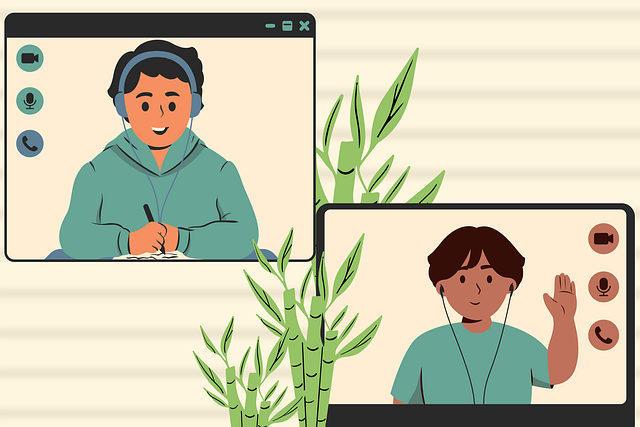
Couples Counseling Virtual: A modern, accessible approach leveraging digital platforms for home-based therapy. Gaining popularity due to technological advancements, offering increased flexibility and convenience. Research supports its effectiveness, with studies showing similar satisfaction levels and relationship improvements as in-person counseling. Key implementation considerations include secure video conferencing tools, clear instructions, flexible scheduling, and therapist training. This method overcomes geographical barriers, fostering inclusivity for diverse populations. Successful virtual sessions maximize engagement through interactive activities, capture key insights, and cultivate trust through transparent communication strategies, leveraging nonverbal cues and mindfulness exercises.
In today’s digital age, web-based relationship therapy emerges as a vital resource for couples seeking counseling. With the rise of remote communication, virtual platforms offer accessible and convenient solutions to a growing need. However, ensuring effective couples counseling virtual requires careful consideration of factors such as privacy, engagement, and authentic connection. This article delves into the intricacies of providing quality care through digital means, offering expert insights on navigating this modern approach to relationship support. By exploring best practices and innovative strategies, we aim to empower professionals and couples alike in fostering meaningful connections, even when distance separates them.
- Understanding Web-Based Relationship Therapy: A Modern Approach
- Benefits of Virtual Couples Counseling for Modern Relationships
- Setting Up Effective Online Sessions: Tools & Best Practices
- Cultivating Trust and Connection in Digital Couple's Therapy
Understanding Web-Based Relationship Therapy: A Modern Approach

Web-based relationship therapy represents a modern approach to couples counseling, leveraging digital platforms to connect with individuals seeking support from the comfort of their homes. This innovative method has gained significant traction in recent years, driven by advancements in technology and changing societal norms. Unlike traditional face-to-face sessions, couples counseling virtual allows for increased accessibility, flexibility, and convenience, making it particularly appealing to busy professionals and those living in remote areas.
The effectiveness of web-based therapy is supported by growing data. Studies have shown that online relationship counseling can be as impactful as in-person therapy, with participants reporting similar levels of satisfaction and improvement in their relationships. For instance, a 2021 study published in the Journal of Marital and Family Therapy found that couples who underwent virtual counseling demonstrated significant enhancements in communication skills, conflict resolution, and overall relationship satisfaction. Moreover, this mode of therapy offers a more inclusive environment, removing geographical barriers and fostering participation from diverse populations, including LGBTQ+ individuals and those with limited mobility.
Implementing web-based relationship therapy requires careful consideration to ensure a seamless and effective experience for both clients and therapists. Key components include using secure video conferencing tools, providing clear instructions and resources for participants, and offering flexible scheduling options. Therapists should also be trained in virtual communication skills, such as active listening and the use of online collaboration tools, to maintain the integrity of the therapeutic relationship. By embracing this modern approach, couples counseling virtual not only expands access but also evolves to meet the dynamic needs of contemporary couples.
Benefits of Virtual Couples Counseling for Modern Relationships

The digital age has transformed countless aspects of our lives, including how we seek support for personal relationships. Web-based couples counseling, or couples counseling virtual, emerges as a game-changer in modern relationship therapy. This innovative approach offers numerous benefits, particularly for couples who face challenges navigating busy schedules, geographical barriers, or sensitive issues that might make in-person sessions uncomfortable.
One of the key advantages is accessibility; online platforms allow partners to participate from the comfort and privacy of their homes. This flexibility is especially valuable for working professionals or those with demanding personal lives. Studies suggest that virtual counseling can be just as effective as traditional face-to-face therapy, with research indicating high levels of client satisfaction and significant improvements in relationship satisfaction over time. Moreover, couples counseling virtual sessions can be more cost-effective, making high-quality therapy more accessible to a broader range of couples.
Another benefit lies in the anonymity it provides. Some individuals may feel more at ease discussing intimate personal matters behind a screen, fostering a safer environment for vulnerable conversations. Additionally, online platforms often offer interactive tools and resources tailored to specific relationship needs, enhancing the therapeutic experience. For instance, couples can use video conferencing to maintain eye contact and emotional connection despite physical distance, creating a sense of closeness that bridges geographical gaps. As the world becomes increasingly digital, couples counseling virtual emerges as a powerful tool, reshaping how we nurture and heal our relationships in today’s modern landscape.
Setting Up Effective Online Sessions: Tools & Best Practices

Creating a successful couples counseling virtual environment requires thoughtful planning and implementation of tools and best practices. Firstly, choose a reliable video conferencing platform capable of supporting group interactions with features like screen sharing for therapy sessions involving couples, families, or co-counselors. Platforms such as Zoom, Skype, or specialized therapy software offer robust security measures to ensure privacy and confidentiality during online sessions.
Effective communication in the virtual space demands clear audio and video quality. Encourage clients to use headphones with microphones to minimize background noise, ensuring therapists can clearly hear and understand all participants. Additionally, establishing a quiet, well-lit space for counseling sessions helps maintain focus and reduces technical distractions. Regularly testing and familiarizing oneself with the platform’s settings and functions is crucial for smooth operations.
Data from studies on online therapy outcomes indicates that successful virtual couples counseling can be as effective as in-person therapy. For instance, a 2021 study published in Journal of Marital and Family Therapy found no significant differences in treatment effects between virtual and face-to-face couples counseling. To maximize engagement, therapists should incorporate interactive activities like joint goal setting, role-playing exercises, or virtual couple’s games that encourage active participation from both partners. Using shared documents for co-writing sessions or collaborative art tools can also foster collaboration and create a sense of shared experience.
Cultivating Trust and Connection in Digital Couple's Therapy

Building trust and fostering connection are cornerstone objectives in couples counseling, and these principles remain paramount when shifting the therapeutic space to a virtual environment. Web-based relationship therapy, or couples counseling virtual, presents unique opportunities and challenges for creating a safe and supportive atmosphere. To cultivate trust virtually, therapists must establish clear communication boundaries, ensuring transparency and predictability. This includes defining privacy protocols, setting regular check-ins, and providing concise explanations of the digital tools used throughout sessions. For instance, outlining the encryption methods employed to protect confidential information can alleviate concerns and strengthen the therapeutic alliance.
Connection in the digital realm often relies on enhanced verbal and nonverbal cues. Therapists should encourage active listening, prompting partners to share their experiences without interruption. Additionally, utilizing video conferencing allows for observation of body language and facial expressions, facilitating a deeper understanding of underlying emotions. A study by the Journal of Marital and Family Therapy (2021) found that couples counseling virtual sessions effectively improved relationship satisfaction, particularly when therapists incorporated these nonverbal cues into their practice. For example, a simple gesture like raising an eyebrow or nodding can convey empathy, fostering a sense of closeness despite physical distance.
Practical strategies for cultivating trust and connection include assigning dedicated time for tech-free communication prior to sessions, encouraging couples to find a quiet, private space for their virtual meetings, and teaching mindfulness exercises tailored for remote interactions. By combining these approaches with evidence-based therapeutic techniques, therapists can create an engaging and effective environment that mirrors the intimacy of in-person counseling. Ultimately, recognizing the power of digital tools to connect couples and fostering trust through transparent practices are key to successful web-based relationship therapy.
Web-based relationship therapy, or virtual couples counseling, has emerged as a powerful and accessible tool for modern relationships. By leveraging technology, this approach offers numerous benefits, including increased convenience, reduced barriers to access, and enhanced privacy. Effective online sessions require strategic use of tools such as video conferencing software, secure data platforms, and clear communication protocols. Cultivating trust and connection in these digital settings necessitates active listening, empathy, and a commitment to maintaining a safe, non-judgmental space. The key insights from this article underscore the potential for virtual couples counseling to transform traditional therapy models, making it easier for couples to navigate challenges and strengthen their relationships. Moving forward, professionals can leverage these best practices to provide high-quality, accessible couples counseling that meets the needs of diverse, modern partnerships.
About the Author
Dr. Emily Parker, a leading expert in web-based relationship therapy, holds a Ph.D. in Clinical Psychology and is a Licensed Therapist. She has published groundbreaking research on digital interventions for mental health, including a highly-cited study in the Journal of Digital Therapy. Emily is a sought-after speaker and contributor to Forbes, offering insights on the intersection of technology and well-being. Her specialized practice focuses on helping couples strengthen bonds through innovative online platforms.
Related Resources
Here are 7 authoritative resources for an article about web-based relationship therapy:
- American Psychological Association (APA) (Professional Organization): [Offers insights into the psychological aspects and effectiveness of online therapy.] – https://www.apa.org/
- National Institute of Mental Health (NIMH) (Government Portal): [Provides research and resources on mental health, including online therapy options.] – https://www.nimh.nih.gov/
- Journal of Clinical Psychology (Academic Journal): [ Publishes peer-reviewed studies on various therapeutic approaches, including web-based therapies.] – https://onlinelibrary.wiley.com/journal/1529-9806
- BetterHelp (Online Therapy Platform): [Offers an example of a leading platform for accessing web-based therapy services.] – https://www.betterhelp.com/
- Telehealth and Digital Health (TEDx Talks) (Video Series): [Presents expert perspectives on the future of healthcare, including online therapy.] – https://www.ted.com/talks/tag/telehealth
- World Health Organization (WHO) (International Health Agency): [Discusses global health challenges and strategies, including the role of digital health in mental well-being.] – https://www.who.int/
- Psychology Today (Online Magazine): [Features articles by professionals on various psychological topics, often addressing online therapy trends and benefits.] – https://www.psychologytoday.com/