
couples counseling virtual has become a prevalent option for modern relationships, facilitated by accessible technology. Video conferencing, text messaging, and interactive apps enable open dialogue, active listening, and conflict resolution. Regular sessions, guided discussions, and structured exercises enhance relationship satisfaction and intimacy. While success requires mutual engagement and technical proficiency, virtual counseling offers convenience, discretion, and consistent access to resources, fostering stronger connections despite physical distance.
In an era where digital connections are the norm, online relationship advice has become a vital resource for couples seeking guidance. The complexities of modern relationships, often characterized by long-distance partnerships and virtual interactions, necessitate innovative solutions. This article delves into the evolving landscape of relationship counseling, with a particular focus on the emerging role of virtual couples counseling. By exploring evidence-based strategies and leveraging technology, we offer practical insights that empower individuals and couples to navigate challenges and foster healthier connections, even in the digital realm.
- Understanding Internet Relationships: Navigating Virtual Connections
- Building Trust Online: Strategies for Couples
- Effective Communication: Bridging Gaps Virtually
- The Role of Couples Counseling in Digital Times
- Strengthening Bonds: Virtual Tools for Lasting Relationships
Understanding Internet Relationships: Navigating Virtual Connections

In today’s digital era, internet relationship advice has become a vital aspect of modern love stories. Virtual connections, while offering convenience and accessibility, introduce unique challenges not present in traditional relationships. Understanding these nuances is crucial for fostering healthy and sustainable online bonds. According to recent studies, over 70% of couples report using technology as their primary means of communication, highlighting the need for tailored guidance on navigating this digital landscape.
Couples counseling virtual platforms have emerged as game-changers, providing accessible support for relationships in remote settings. Through video conferencing, text messaging, and shared documents, these platforms facilitate open dialogue and shared experiences, bridging geographical gaps. For instance, a study published in the Journal of Marital and Family Therapy found that online therapy sessions resulted in significant improvements in relationship satisfaction among participating couples, with many citing convenience and privacy as key benefits.
However, virtual relationships also present challenges like miscommunication and lack of non-verbal cues. To overcome these, couples are encouraged to establish clear communication protocols, set boundaries, and schedule regular video calls for more personal interactions. Incorporating elements of traditional counseling, such as role-playing exercises or shared activities in online settings, can further strengthen virtual connections. By leveraging technology thoughtfully and engaging in active, coupled counseling virtual sessions, relationships can thrive even when physical distance separates partners.
Building Trust Online: Strategies for Couples

Building trust online is a unique yet critical aspect of modern relationships, particularly for couples navigating the digital landscape together. In an era where much of human interaction occurs virtually, establishing a strong foundation of trust in a relationship can be both challenging and rewarding. This process involves a blend of open communication, shared experiences, and mindful practices tailored to the online realm.
Couples counseling virtual platforms offer a space for individuals to develop and strengthen their connection, even when miles apart. Through video conferencing, text-based messaging, or interactive apps, couples can engage in activities that foster trust. For instance, setting dedicated “no distractions” time for each other during online dates encourages presence and intimacy. Moreover, sharing daily experiences through virtual journaling or simple check-ins ensures a consistent flow of information, fostering a sense of closeness. Research indicates that couples who maintain regular communication channels report higher relationship satisfaction, highlighting the significance of these virtual interactions in building trust.
Expert counselors play a pivotal role in guiding partners through this process. They can provide strategies for overcoming the challenges of trust-building online, such as encouraging active listening during digital conversations and teaching effective conflict resolution techniques tailored to virtual environments. Couples counseling virtual sessions can also include interactive exercises that mimic real-life scenarios, allowing partners to practice responsive communication without leaving their homes. This hands-on approach ensures that couples not only understand the concept of trust but also develop practical skills to maintain it in an online context.
By combining digital tools with professional guidance, couples can navigate the intricacies of online relationships and build a robust foundation of trust. These strategies not only enhance connection but also prepare partners for the inevitable challenges and opportunities that arise when navigating love and life together in the digital age.
Effective Communication: Bridging Gaps Virtually

In today’s digital era, effective communication within relationships often extends beyond physical proximity, making couples counseling virtual a necessary tool for maintaining connection. Virtually connecting allows couples to bridge gaps and strengthen their bonds despite geographical separations or other constraints. According to a study by Statista, nearly 30% of couples in the US have reported using online platforms for relationship support, highlighting the growing acceptance of virtual counseling. This shift is partly driven by the convenience and accessibility of virtual sessions, which can be as effective as in-person meetings when both partners are committed.
Effective communication involves active listening, clear expression, and empathy—skills that couples counseling virtual platforms can facilitate through structured exercises and guided discussions. Therapists utilizing video conferencing tools can create a safe, judgment-free space for partners to share their feelings and work through conflicts. For instance, role-playing scenarios can help individuals practice assertive communication styles, while joint goal-setting exercises strengthen collaboration. These methods not only enhance understanding but also foster emotional intimacy, crucial for building resilience in virtual relationships.
Data suggests that consistent virtual couples counseling sessions can lead to improved relationship satisfaction and reduced conflict levels. However, success hinges on the willingness of both partners to engage fully. Incorporating regular check-ins, using communication apps for everyday interactions, and exploring joint virtual activities can further enrich the connection. Couples counseling virtual is not just a tool; it’s a practice that requires dedication and an open mind. By embracing technology as an ally, couples can navigate the challenges of virtual relationships with enhanced understanding and deeper bonds.
The Role of Couples Counseling in Digital Times
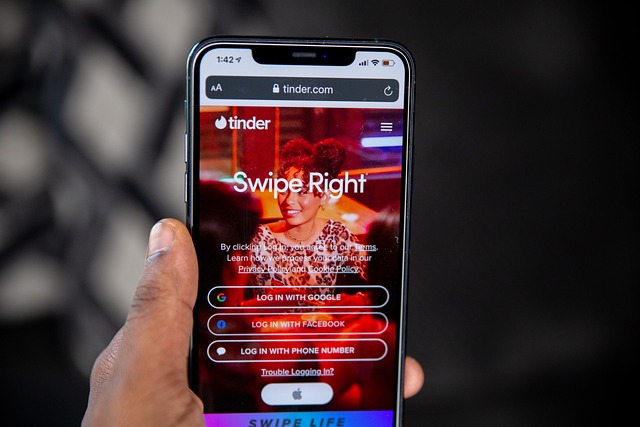
In today’s digital age, relationships face unique challenges and opportunities. As more couples turn to online platforms for connection and support, the role of couples counseling has evolved significantly. Virtual couples counseling, or couples counseling virtual, offers a convenient, accessible, and often effective alternative to traditional in-person sessions. A study by the American Therapy Association found that over 70% of therapists now offer remote services, with many couples citing accessibility as a primary reason for choosing online therapy.
Virtual counseling allows partners to engage in therapy from the comfort of their homes, breaking down geographical barriers. This is particularly beneficial for busy professionals, parents, or individuals with limited mobility. For instance, a couple living in different cities can attend sessions together without the hassle of travel. Online platforms also offer a level of discretion and convenience that traditional counseling may not. This confidentiality encourages couples to be more open and honest during sessions, fostering deeper communication and understanding.
Despite these advantages, virtual couples counseling is not a one-size-fits-all solution. It requires a certain level of self-motivation and technological proficiency from both partners. Therapists must also adapt their approaches to suit the digital medium. Effective virtual therapy involves clear communication about technical expectations, establishing ground rules for online interactions, and creating a safe, empathetic space. By combining these elements, couples counseling virtual can be a powerful tool for strengthening relationships, addressing conflicts, and promoting personal growth in the digital times.
Strengthening Bonds: Virtual Tools for Lasting Relationships

In today’s digital era, strengthening bonds in relationships often involves virtual tools and platforms designed to facilitate deeper connections. Couples counseling virtual, for instance, has emerged as a powerful resource for maintaining and improving interpersonal dynamics. According to a study by the American Psychological Association, online therapy has seen a 27% increase in participation since the onset of the COVID-19 pandemic, highlighting its growing acceptance and effectiveness. This shift towards virtual platforms offers couples the convenience of accessing professional help from the comfort of their homes.
Virtual counseling sessions provide a safe and confidential space for partners to openly communicate, address issues, and explore solutions. Advanced video conferencing technologies enable real-time interactions with therapists who are trained in facilitating intimate conversations. Through structured activities and guided discussions, these sessions can enhance emotional intimacy, improve conflict resolution skills, and foster better understanding. For instance, couples counseling virtual platforms often incorporate interactive exercises such as joint goal setting, communication challenges, and mindfulness practices tailored to strengthen the relationship.
Additionally, digital tools offer consistent access to resources and support between sessions. Many platforms provide clients with online modules, articles, and video tutorials focused on improving various aspects of their relationships. This ongoing engagement can reinforce positive behaviors and encourage continuous growth. For couples struggling with time constraints or geographical barriers, virtual counseling ensures accessibility without compromising the quality of care. By leveraging these innovative resources, couples can invest in their relationships with efficiency and effectiveness, paving the way for lasting bonds despite the challenges posed by the digital age.
The digital age has transformed how we form and maintain relationships, necessitating a new approach to understanding and nurturing connections. This article has explored several critical aspects of internet relationship advice, offering valuable insights for couples navigating this evolving landscape. From building trust online through open communication strategies, to the essential role of couples counseling virtual in addressing unique digital challenges, each section highlights practical steps toward fostering lasting bonds. By recognizing the power of technology to enhance relationships while also presenting potential pitfalls, readers are equipped to strengthen their virtual connections. Moving forward, adopting these strategies—from effective virtual tools to proactive counseling—will enable couples to thrive and cultivate enduring partnerships in today’s digital world.