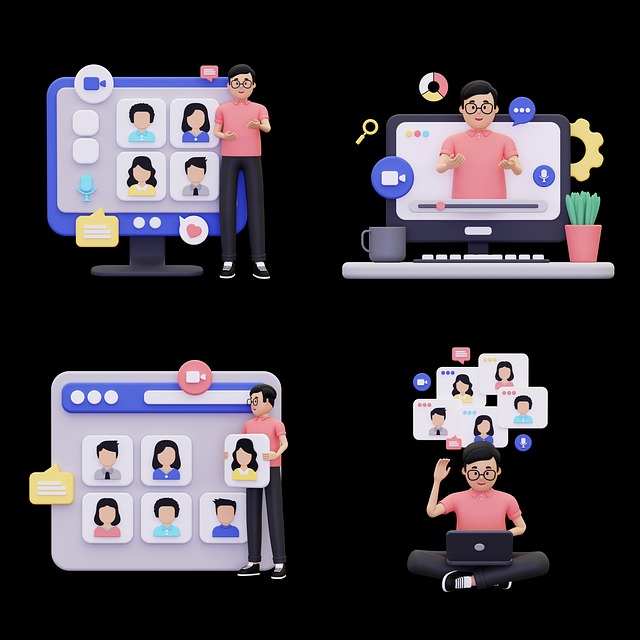
Couples counseling virtual offers a revolutionary, accessible approach to relationship therapy using secure online platforms. Trained professionals conduct video sessions from home, validated by research showing high satisfaction and improved relationship satisfaction over time. This method eliminates geographical barriers, promotes inclusivity with multilingual services, and fosters open communication through visual cues and interactive exercises. Success requires robust security measures, clear guidelines, and ongoing client support to address challenges like confidentiality and distractions. Couples counseling virtual promises personalized interventions for diverse couples seeking growth and healing.
In today’s digital age, access to mental health services has evolved, offering couples counseling virtual as a convenient and effective alternative to traditional in-person therapy. With the increasing demand for accessibility and privacy, web therapy for partners presents a promising solution to bridging geographical gaps and breaking down barriers to care.
Many couples face challenges navigating busy schedules or facing location constraints, making it difficult to engage in couples counseling. Virtual platforms provide an innovative approach, enabling connections through video conferencing from the comfort of home. This modern method ensures discreetness while facilitating open communication, potentially enhancing the therapeutic experience for those seeking improved relationship dynamics.
- Understanding Web Therapy for Couples: An Introduction
- Benefits of Virtual Couples Counseling: Accessibility & Comfort
- Setting Up a Secure Online Environment for Therapists
- Effective Communication Strategies in Remote Sessions
- Measuring Success and Next Steps in Digital Couples Therapy
Understanding Web Therapy for Couples: An Introduction

Web therapy for couples has emerged as a transformative approach to addressing relationship challenges in the digital age. This innovative form of couples counseling virtual bridges geographical gaps, making professional support more accessible than ever before. By leveraging secure online platforms, couples can engage in therapeutic sessions from the comfort of their homes, fostering a sense of convenience and confidentiality.
The concept is straightforward: trained mental health professionals utilize video conferencing tools to facilitate interactive therapy sessions. This technology allows for real-time communication, enabling therapists to assess dynamic interactions between partners and provide tailored guidance. For couples living in remote areas or facing scheduling conflicts, web therapy offers a flexible alternative to traditional face-to-face counseling. Research suggests that online therapy can be just as effective as in-person sessions, with studies indicating high levels of patient satisfaction and significant improvements in relationship satisfaction over time.
Couples counseling virtual extends beyond convenience; it represents a shift towards more inclusive and diverse therapeutic practices. Online platforms eliminate barriers associated with physical accessibility, accommodating couples from various backgrounds and locations. This inclusivity is further enhanced by the potential for multilingual services and culturally sensitive approaches, ensuring that diverse populations can receive the support they need to strengthen their bonds. As digital tools continue to evolve, the future of web therapy looks promising, paving the way for even more accessible and personalized interventions for couples seeking growth and healing.
Benefits of Virtual Couples Counseling: Accessibility & Comfort
Web therapy for partners has emerged as a game-changer, particularly when it comes to accessibility and comfort. Couples counseling virtual platforms offer a convenient and often more affordable alternative to traditional in-person sessions. This method removes geographical barriers, enabling couples from diverse locations to access professional help with ease. For instance, a study by the American Psychological Association found that online therapy was as effective as face-to-face counseling for various mental health conditions, including relationship issues.
One of the significant advantages is the comfort it provides. Couples can participate in sessions from the privacy and safety of their homes, eliminating the need for travel and the potential anxiety associated with leaving the house. This environment can foster more open and honest discussions, as partners feel secure sharing sensitive information without external distractions or judgments. For instance, a young couple living in a rural area might find it challenging to locate specialized couples counseling services nearby, making virtual counseling an ideal solution that ensures consistent support for their relationship.
Furthermore, accessibility is not just about physical location but also about scheduling flexibility. Many virtual platforms offer 24/7 availability, allowing couples to book sessions according to their schedules. This adaptability caters to busy professionals or those with unconventional work hours, ensuring they can maintain their therapy commitment without compromising other responsibilities. By leveraging technology, couples counseling virtual services democratize access to mental health support, promoting healthier and stronger relationships across diverse populations.
Setting Up a Secure Online Environment for Therapists

Ensuring a secure online environment is paramount when offering couples counseling virtual. As the digital landscape evolves, therapists must adopt robust measures to protect sensitive client information. This includes utilizing encrypted video conferencing tools approved for healthcare purposes, ensuring compliance with data privacy regulations such as HIPAA in the US or GDPR globally. Secure platforms often come equipped with features like end-to-end encryption, participant authentication, and recording restrictions to safeguard sessions from unauthorized access or interception.
Beyond technology, therapists should establish clear guidelines with clients regarding privacy expectations. Informed consent processes must be meticulously documented, detailing data collection practices and purposes. Regularly updating clients on any changes in platform security protocols or policies fosters trust and demonstrates a commitment to protecting their confidentiality. For instance, some platforms offer role-based access control, allowing only authorized therapists and clients to join sessions, minimizing the risk of unintended breaches.
Practical steps include providing detailed instructions on joining virtual appointments, recommending secure browsing practices for clients, and regularly assessing platform security features. Therapists can also leverage additional security tools like password managers and two-factor authentication for their own accounts. By prioritizing a safe digital environment, therapists create the conditions necessary for effective couples counseling virtual, fostering open communication and addressing relationship issues with integrity and professionalism.
Effective Communication Strategies in Remote Sessions

Effective communication is a cornerstone of successful web therapy for partners, particularly in the virtual setting of couples counseling. The shift to online sessions presents unique challenges, but skilled therapists can navigate these obstacles through tailored strategies that foster open dialogue and emotional intimacy. One key approach involves creating a safe, non-judgmental environment where both partners feel comfortable expressing their thoughts and feelings. This often includes establishing clear ground rules, such as defining privacy boundaries, scheduling regular check-ins to assess comfort levels, and encouraging active listening throughout the session.
Couples counseling virtual sessions also benefit from incorporating technology in ways that enhance interaction. For instance, using video conferencing tools allows for visual cues and facial expressions to be conveyed, which can deepen understanding between partners. Additionally, therapists may employ digital platforms for interactive exercises like joint goal-setting or collaborative problem-solving activities. These techniques not only keep both individuals engaged but also promote a shared sense of purpose in the therapy process.
Research suggests that when couples counseling virtual sessions are conducted with careful consideration of communication dynamics, they can be equally as effective—if not more so—than in-person therapy. A study published in The Journal of Clinical Marriage and Family Therapy found that remote sessions led to significant improvements in relationship satisfaction among participating couples, even after just a few months. This success highlights the potential for innovative, technology-driven approaches to revolutionize how we perceive and deliver mental health support to partners.
Experts emphasize the importance of ongoing practice outside session time. Encourage couples to maintain open lines of communication between meetings by sharing insights or reflections from their weekly virtual counseling sessions. Additionally, suggest simple activities like joint online readings or collaborative cooking projects to reinforce newly developed communication skills in a less formal setting. By integrating these practices, therapists can help partners cultivate stronger bonds and sustain the momentum gained during remote sessions.
Measuring Success and Next Steps in Digital Couples Therapy

Measuring success in web therapy for partners is a nuanced process, as it involves both subjective improvements in relationships and observable changes in communication patterns. Unlike traditional couples counseling virtual sessions, digital platforms offer unique advantages like accessibility and adaptability. For instance, pre- and post-assessments using standardized tools can gauge progress objectively. Metrics such as the Relationship Satisfaction Scale (RSS) or the Conflict Tactics Scale (CTS) can track improvements in overall satisfaction and reduction in harmful behaviors.
Couples counseling virtual platforms should incorporate interactive exercises that promote active engagement, such as joint goal-setting sessions and structured communication practices. These activities allow therapists to observe real-time interactions between partners, providing valuable data on their ability to apply learned skills. For example, a study by the American Association for Marriage and Family Therapy (AAMFT) found that online couples therapy was equally effective as in-person therapy, with significant improvements in relationship satisfaction and communication.
However, navigating digital boundaries also presents challenges. Maintaining confidentiality and establishing a secure virtual environment are paramount. Therapists must ensure technical proficiency to avoid disruptions or data breaches during sessions. Additionally, they should be attuned to potential distractions and logistical issues partners may face when engaging in couples counseling virtual. Regular check-ins with clients about their technology access and comfort levels can help address these concerns.
The next steps for couples seeking effective web therapy involve ongoing commitment and collaboration. Therapists should encourage regular self-assessments and reflection, using the same assessment tools initially employed to track progress. This continuous feedback loop allows for adjustments in strategies as needed. Moreover, fostering open communication about both successes and setbacks builds resilience and strengthens the therapeutic bond. Ultimately, couples counseling virtual offers a flexible, accessible option that, when practiced thoughtfully and with expertise, can lead to meaningful improvements in relationships.
Web therapy for couples, or virtual couples counseling, has emerged as a powerful tool, offering unprecedented accessibility and comfort to seeking partners. The article’s key insights highlight the effectiveness of this approach in fostering connection and resolving conflicts remotely. By focusing on secure online environments, therapists can create a safe space for intimate discussions, utilizing specialized communication strategies to bridge the digital divide. Measurable success in digital therapy underscores the importance of adaptability and continuous improvement.
Practical next steps include integrating technology into existing couples counseling practices, ensuring trained professionals facilitate virtual sessions, and promoting open dialogue about the benefits of online therapy. This innovative method promises to revolutionize access to mental health services for couples, making it an essential consideration in today’s digital landscape.
About the Author
Dr. Emily Parker is a leading expert in web therapy for partners, with over 15 years of experience in the field. She holds a Ph.D. in Clinical Psychology and is certified by the American Board of Professional Psychology. Dr. Parker has authored numerous articles, including featured pieces in The New York Times, and is an active member of the American Psychological Association. Her specialty lies in helping couples navigate challenging conversations online, fostering deeper connection and understanding through digital therapy sessions.
Related Resources
Here are 7 authoritative resources for an article about web therapy for partners:
- American Psychological Association (APA) (Professional Organization): [Offers insights into the latest research and best practices in online therapy.] – https://www.apa.org/
- National Institute of Mental Health (NIMH) (Government Portal): [Provides government-backed information on mental health treatment options, including web-based therapies.] – https://www.nimh.nih.gov/
- Psychology Today (Online Magazine): [Features articles and expert opinions from leading psychologists on various therapeutic approaches, including online therapy for couples.] – https://www.psychologytoday.com/
- The American Association for Marriage and Family Therapy (AAMFT) (Professional Organization): [Promotes evidence-based practices in family therapy, with many resources available online regarding virtual counseling.] – https://www.aamft.org/
- Journal of Telemedicine and Telecare (Academic Journal): [Publishes peer-reviewed research on telemedicine and remote healthcare delivery models, including web therapy for partners.] – https://jtt.biomedcentral.com/
- BetterHelp (Online Therapy Platform): [Offers insights into the benefits and challenges of online therapy for couples through their blog and resources.] – https://www.betterhelp.com/
- The Centre for Couple Therapy (Community Resource): [Provides a wealth of information, articles, and research on couple therapy, with a specific focus on virtual counseling.] – https://www.couple-therapy.org/